We're adding 10 years to healthy human lifespan
Some cells are easier to replace than to fix. We clear out old or diseased microglia and blood stem cells and put in young ones, grown from reprogrammed stem cells (iPSCs) in our own GMP facility.
Most cells can’t be swapped, so we treat them where they are, with small molecules, gene therapy, and AI-designed proteins aimed at the hallmarks of cellular aging. Our furthest along, a drug designed to improve cellular recycling (autophagy), is in a Phase 1 trial.
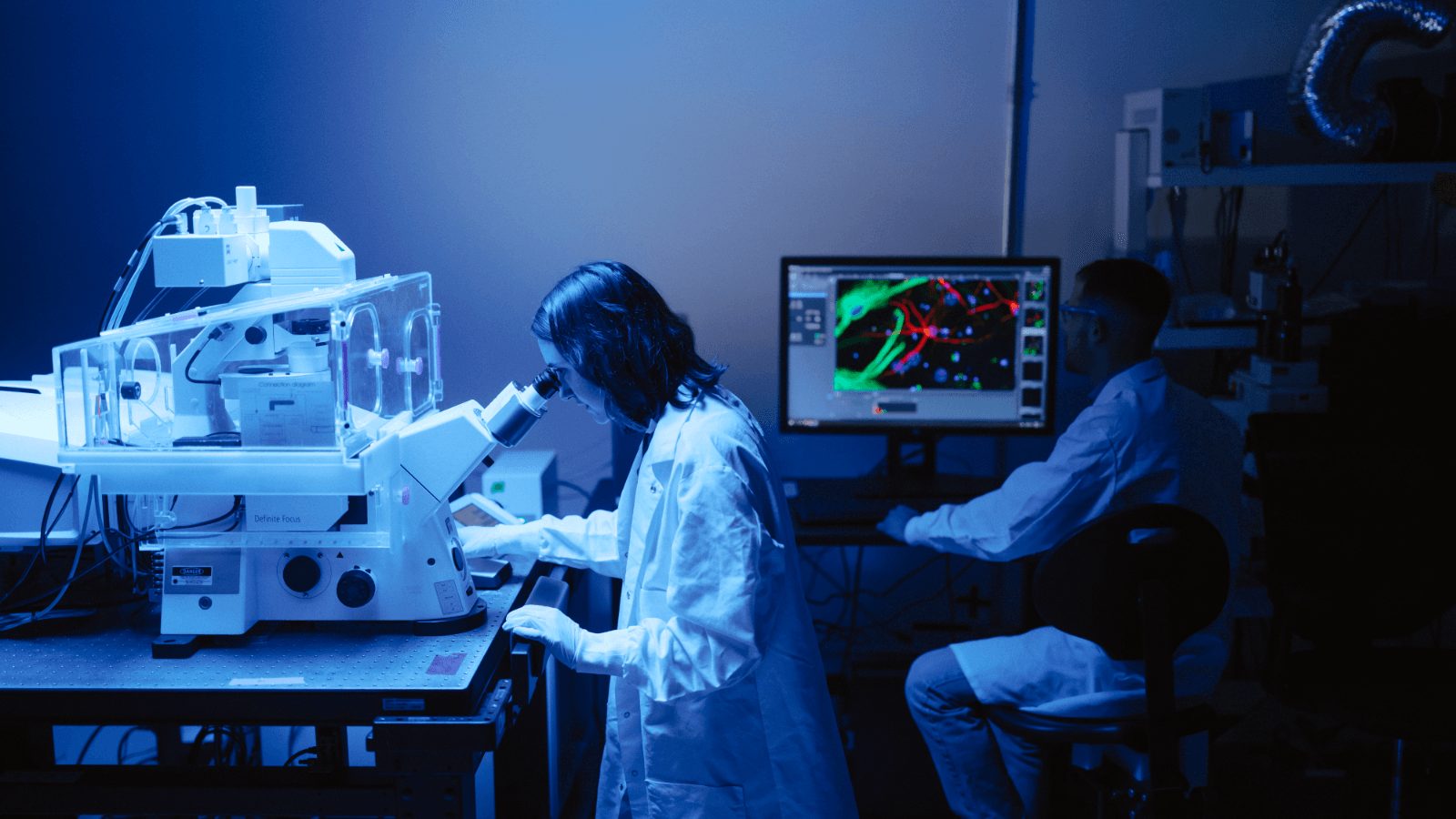
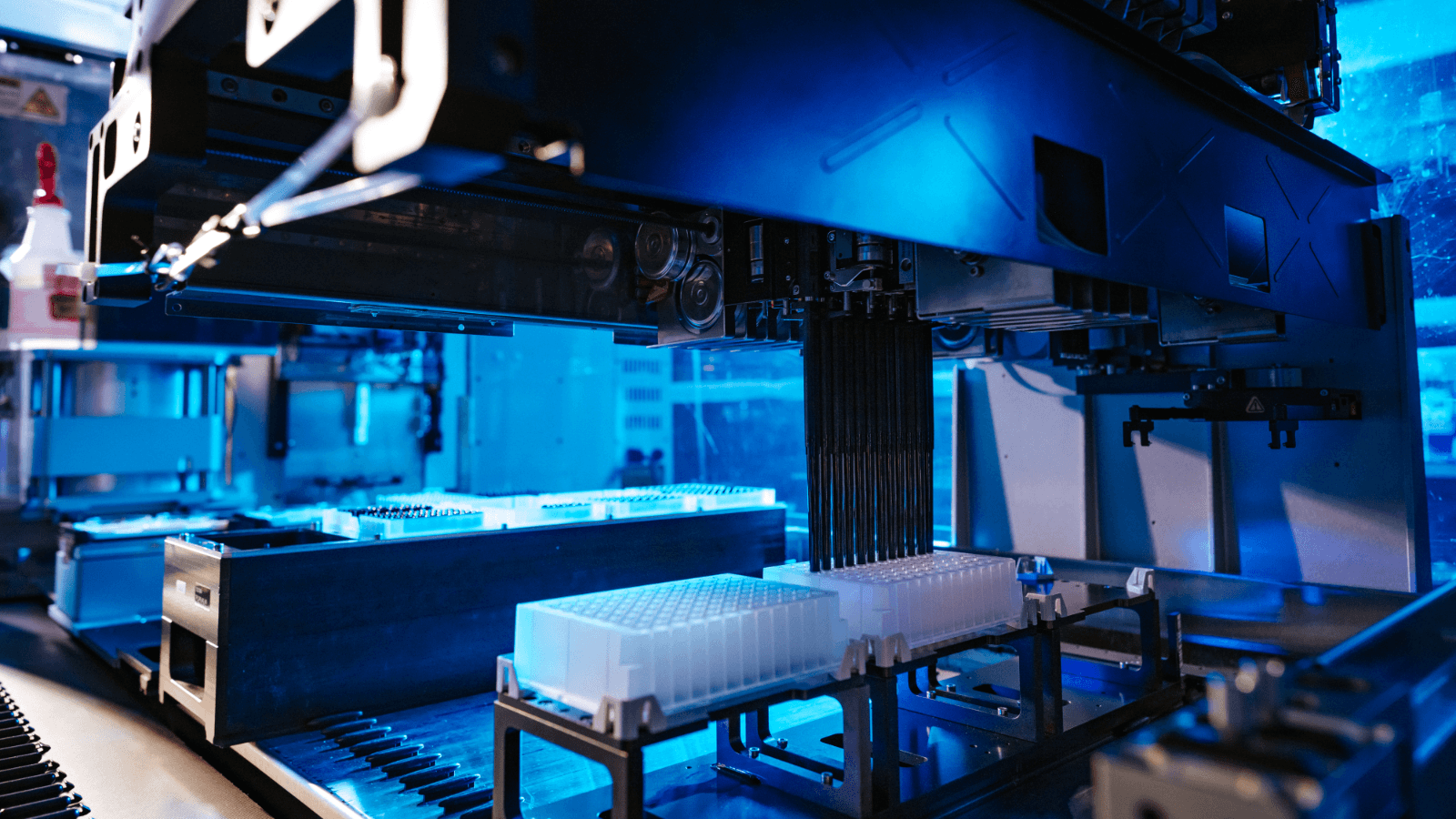
AI advances fastest where data is plentiful. Biology’s data is scarce and siloed, so we generate our own on robots run by PyLabRobot, our open-source lab software. With OpenAI, we built a protein model that redesigned two Yamanaka factors. In cells, the new versions drove over 50x more stem cell marker expression than the originals.
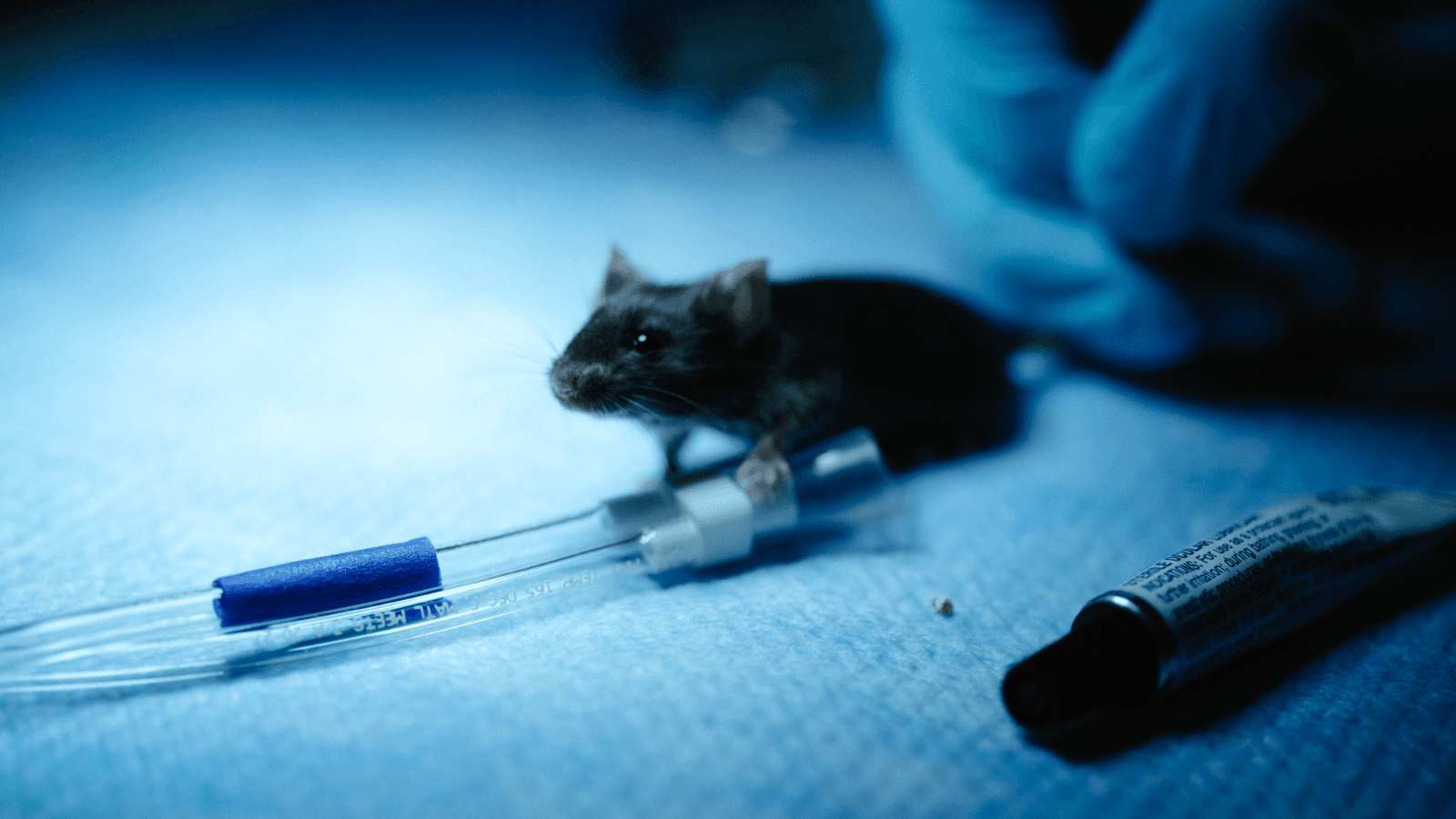
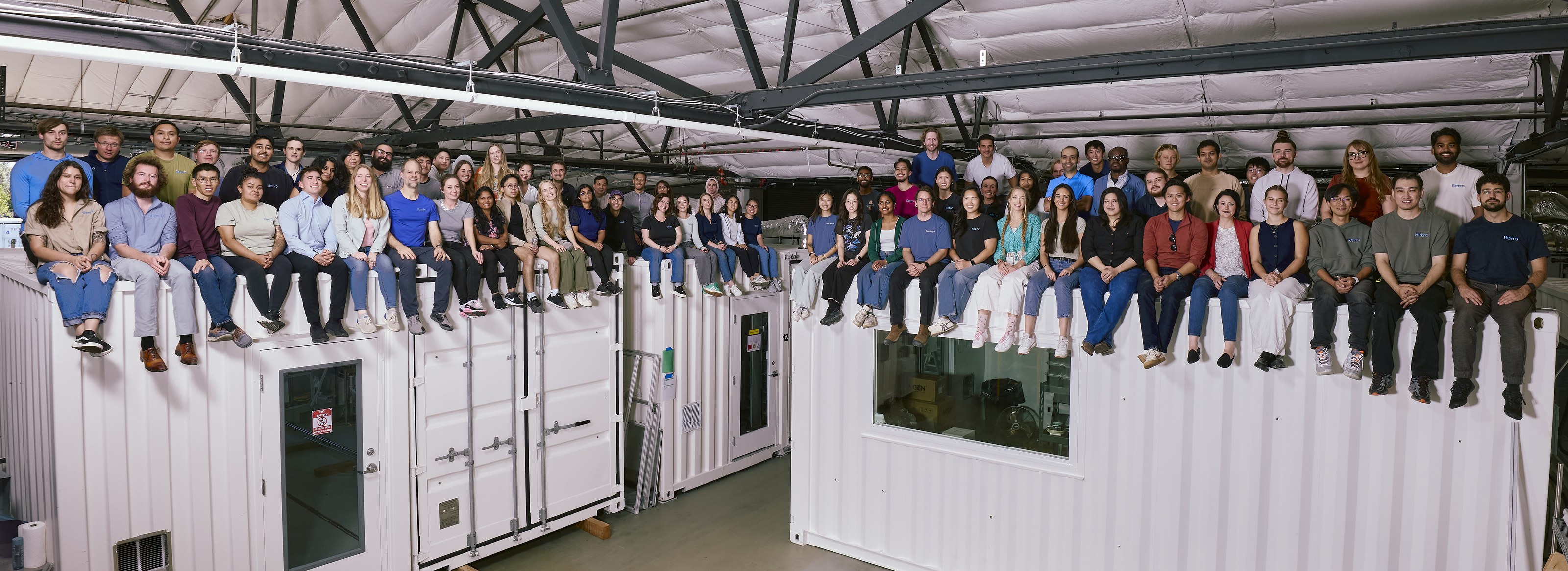
When we started, Bay Area lab space was nearly impossible to find, so we built labs out of shipping containers and had experiments running two months later. We still work that way. Anything a vendor would slow down, we bring in-house: cell manufacturing, a vivarium, lab automation, our own software.